
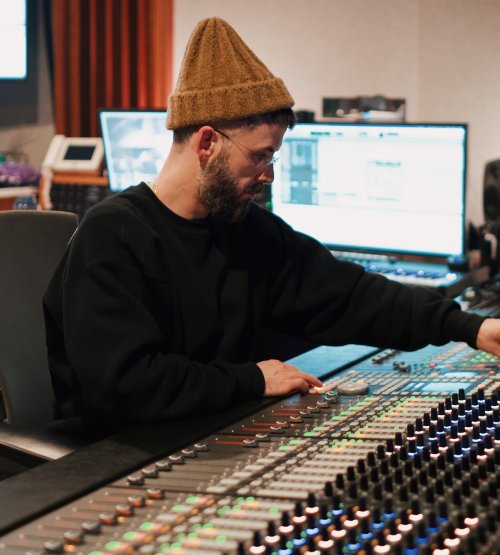
When people think of Noah Shebib, they often think of chart-topping records, Grammy Awards and his long-standing creative partnership with Drake. As one of the most influential producers in modern music and co-founder of OVO, Noah has helped shape contemporary hip-hop.
More recently, Noah shared another side of his story in an interview with the MS Society, speaking openly about living with relapsing remitting Multiple Sclerosis (MS) since being diagnosed at the age of 21. His honest reflections provide valuable insight into the realities of living with a complex neurological condition and the importance of raising awareness.
Receiving an MS Diagnosis at a Young Age
Speaking to the MS Society, Noah recalled the events leading up to his diagnosis. What began as an unusual sensation of heat in his leg quickly developed into a series of medical investigations that ultimately led to a diagnosis of multiple sclerosis.
He spent around six weeks in hospital undergoing tests and treatment, including lumbar punctures and other neurological assessments. During that time, he celebrated his twenty-second birthday whilst still in hospital.
For many people, receiving a diagnosis of a lifelong neurological condition at such a young age can be overwhelming. Noah described being told that he might face significant mobility challenges in the future, news that understandably came as a shock.
Rather than allowing the diagnosis to define him, he chose to focus on what remained possible. His passion for music became a source of motivation, helping him maintain perspective and continue pursuing his goals.
Understanding the Unpredictable Nature of MS
One of the key messages from Noah’s interview with the MS Society is that MS is often misunderstood because of how unpredictable it can be.
Unlike many visible health conditions, symptoms can change from day to day and vary significantly between individuals. A person may appear well one day and experience significant symptoms the next.
Noah explained that factors such as stress, heat, sleep and diet can have a major impact on how he feels and may influence his symptoms.
This experience is familiar to many people living with MS.
Common symptoms associated with multiple sclerosis may include:
- Fatigue
- Mobility difficulties
- Numbness and altered sensations
- Vision problems
- Muscle weakness
- Balance and coordination issues
- Cognitive changes
- Mood and emotional challenges
Importantly, no two people experience MS in exactly the same way. Symptoms, progression and treatment experiences can vary considerably from person to person.
Challenging Common Misconceptions
During his conversation with the MS Society, Noah spoke openly about one of the frustrations many people with MS encounter: being judged based on how they appear at a particular moment.
He described situations where people questioned the severity of his condition because they had previously seen him walking without difficulty or appearing well.
This highlights a common misconception surrounding invisible illnesses.
Many symptoms of MS cannot be seen by others, yet they can have a significant impact on daily life. Fatigue, cognitive difficulties, pain and sensory changes are just some examples of symptoms that may not be immediately obvious.
Greater awareness of these realities can help foster understanding and reduce stigma for people living with neurological conditions.
A Condition That Affects Everyone Differently
Another interesting aspect of Noah’s story is that his mother was also diagnosed with MS.
As he explained to the MS Society, her experience was very different from his own. Although she had experienced optic neuritis for many years, her diagnosis came later and her symptoms followed a different course.
This reflects an important characteristic of multiple sclerosis: it is a highly individual condition.
Some people experience relapsing forms of MS, whilst others develop progressive forms. Symptoms, disease activity and treatment approaches can vary considerably.
Understanding this variability is crucial when discussing MS and supporting those affected by it.
Balancing MS with a Demanding Career
The music industry is often associated with long hours, international travel and high-pressure environments.
In his interview with the MS Society, Noah explained that one of the biggest challenges of managing MS alongside his career has been protecting his sleep, managing fatigue and setting clear boundaries.
He also highlighted the importance of having supportive people around him who understand his needs and respect those boundaries.
His experience demonstrates how communication and support networks can play an important role in helping people manage long-term health conditions whilst continuing to pursue personal and professional ambitions.
Remaining Positive After Diagnosis
One of the most inspiring themes throughout Noah’s interview with the MS Society was his determination to remain optimistic.
He acknowledged that MS has changed certain aspects of his life and that some situations require additional planning or adjustment. However, he has chosen not to allow the condition to define his identity or limit his ambitions.
For people who are newly diagnosed, Noah’s message is simple: remain positive, continue learning and look towards the future.
Research into multiple sclerosis continues to advance, improving understanding of the condition and helping to shape future approaches to treatment and care.
Why Noah’s Story Matters
Noah “40” Shebib’s interview with the MS Society is a reminder that every person’s experience of Multiple Sclerosis is unique. By speaking openly about the realities of diagnosis, symptom variability and living with a long-term neurological condition, he has helped encourage greater awareness and understanding of MS.
As one of the founders of the Bullrider cannabis brand, Noah is also connected to a name that is familiar to many within the UK medical cannabis community. IPS Pharma is proud to supply the Afghani Bullrider cannabis flower as part of its pharmaceutical portfolio.
This article is intended to highlight Noah’s recent interview with the MS Society and raise awareness of Multiple Sclerosis. Every patient’s clinical circumstances are different, and treatment decisions should always be made in consultation with an appropriate healthcare professional.
MS Society Article Reference: https://www.mssociety.org.uk/support-and-community/community-blog/behind-music-noah-40-shebib-life-ms
Disclaimer: This article is intended for educational and awareness purposes only and should not be considered medical advice. Individuals living with MS should consult their healthcare professional regarding diagnosis, treatment, and management options.